I Am Who I Am
I Am Who I Am
Information for teachers, academics and educational policy makers
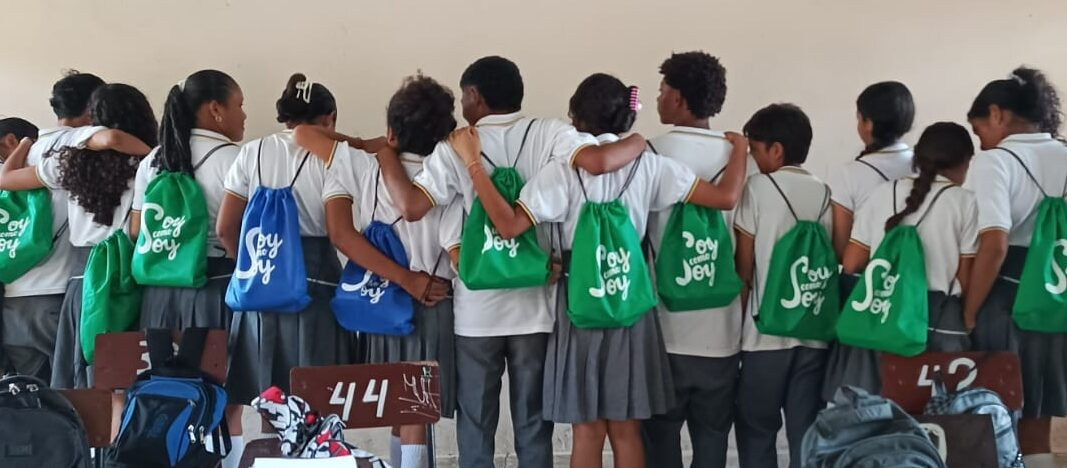
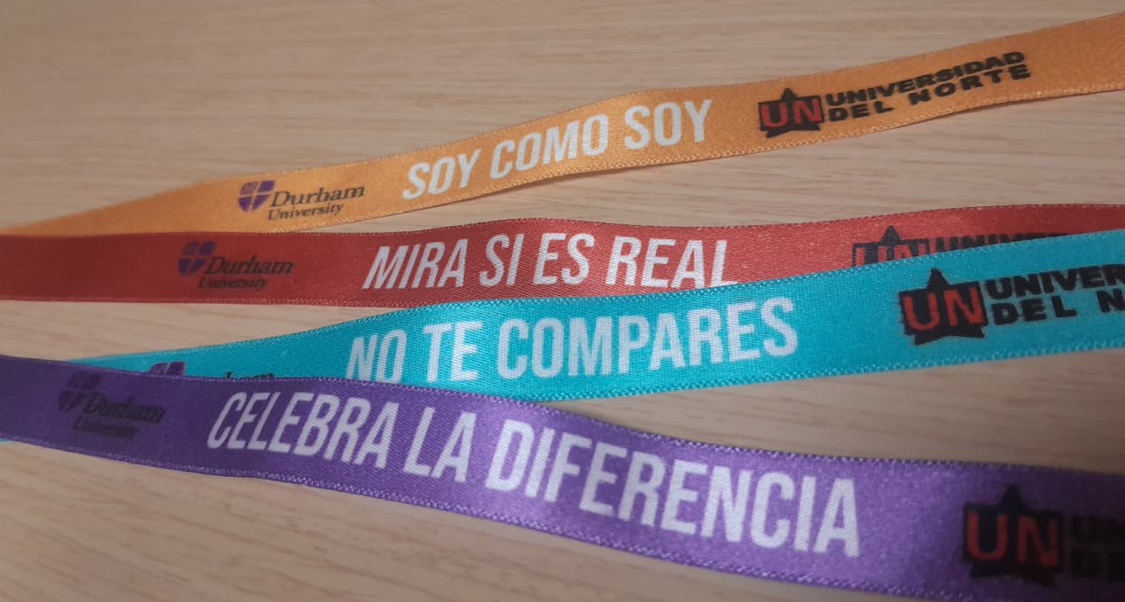
“I Am Who I Am” is an educational intervention designed to improve body image and media literacy. Developed based on scientific evidence and adapted to the cultural context, this program seeks to counteract sociocultural pressures related to physical appearance, fostering self-acceptance and critical thinking about media messages.
The intervention is designed for classroom settings with 25 to 40 participants. Over four interactive sessions, teenagers aged 11 to 16 can explore key topics such as image manipulation on social media, external pressures on appearance, the impact of comparisons, and strategies for responding assertively to unwanted comments.
The “I Am Who I Am” manual was developed by the BIRES research project (Building Body Image Resilience in Populations Undergoing Rapid Economic Development). The original version in Spanish was created through between Durham University and Universidad del Norte (Colombia). It has since been translated into English for use in the UK, Zimbabwe and Kenya. This project bridges the gap between academia and the real needs of students, encouraging them to question unrealistic ideals, celebrate diversity, and build relationships based on mutual respect. With this manual, facilitators will have the necessary tools to empower participants, reminding them that each person is unique and valuable just as they are.
Below you can find more information about the evidence of the intervention’s success, resources for implementing it, and how you can collaborate with the project to receive the intervention materials and manual.
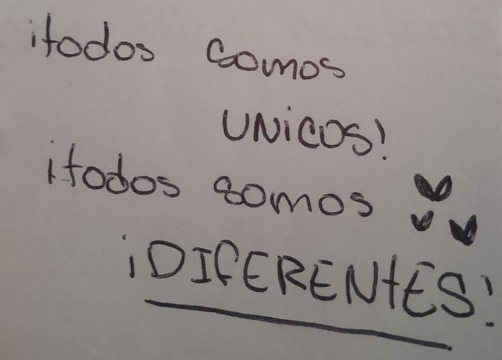
The original Soy Como Soy has been tested in urban and rural schools in Northern Colombia, Honduras, and Mexico.
In Colombia, we completed a pilot study with 300 teenagers in the city of Barranquilla. The data showed that the students had a better understanding of the unreality of social media after the intervention. The girls also experienced an increase in their body image and a decrease in their tendency to compare themselves to others. We are currently conducting a larger study with over a thousand teenagers in Colombia, as well as pilot studies in Honduras and Mexico with the Spanish manual, and in the UK, Kenya and Zimbabwe with the English version.
Complete this form requesting access to the materials. We will then confirm the appropriate version for you.
We are very excited to collaborate with more universities and educational organizations in Spanish- and English-speaking countries. Please contact the principal investigator, Professor Lynda Boothroyd, to discuss this further. You can contact her in Spanish or English.